Lassa fever: origins, reservoirs, transmission and guidelines
Lassa virus causes Lassa fever, an acute viral haemorrhagic fever (VHF).
Background
Lassa virus is a member of the arenavirus family. Lassa fever, The disease caused by the virus was first described in the 1950s, and the virus was identified in 1969 after 2 missionary nurses died from the disease in the Nigerian town of Lassa.
Lassa fever is a high consequence infectious disease (HCID).
EpidemiologyReservoirs
Lassa fever is endemica inzoonotic parts(animal ofborne) Westinfection Africa,that particularlyis Guinea,spread Liberia,by Nigeriawild androdents Sierra(Mastomys Leone,natalensis). whereOnce theinfected, animalrodents reservoir,excrete the multimammatevirus rat is prevalent.
There is some evidence of endemicity in thetheir Centralurine African Republic, Mali, Senegal and otherdroppings Westthroughout Africantheir countrieslifetime, sharingtherefore bordersspreading withinfection. theThese highlyrodents endemicare countries.common In 2011, sporadic cases were confirmed for the first time in Ghana.rural Theareas lastof knownWest outbreakand inCentral GhanaAfrica wasand reportedoften inlive February 2023, in theor Greateraround Accra Region.homes.
Epidemiology
ALassa singlefever caseis wasendemic reported in theparts Democratic Republic of theWest CongoAfrica, inparticularly 2011.
BeninGuinea, confirmedLiberia, itsNigeria first cases in 2014 and reportedSierra anLeone, outbreakwhere inthe 2016.animal Sporadicreservoir, casesthe continueMastomys torodent, beis reported.
Togoprevalent. reportedThis 2animal casesvector inmay 2016,be bothpresent inthroughout healthcarethe workersregion, inwith northernoccasional Togo. Togo had not previously reported confirmed Lassa cases despiteand beingoutbreaks locatedoccurring betweenin knowncountries neighbouring endemic areas. Further sporadicdetails casescan havebe sincefound beenin reported.
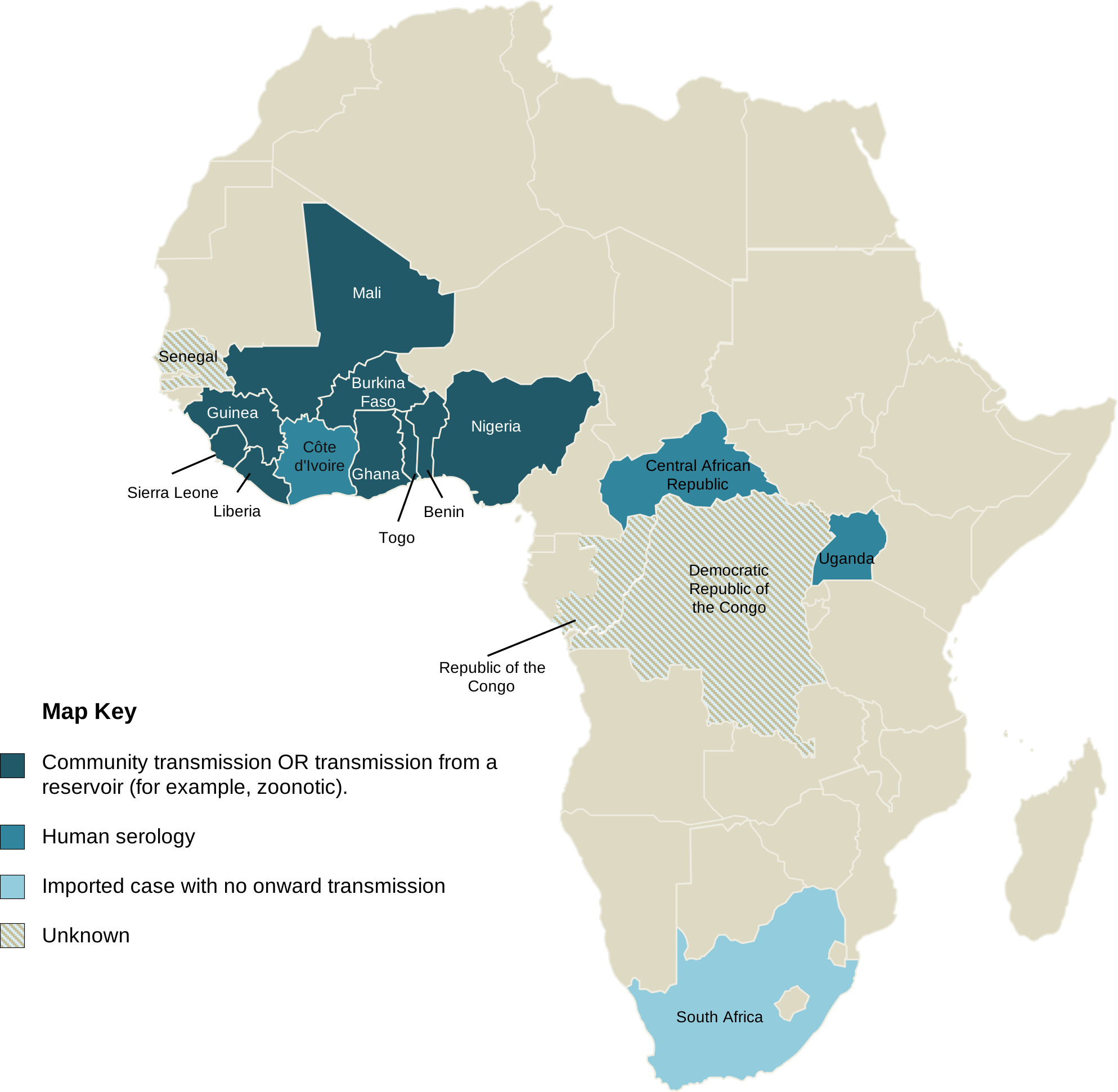
BurkinaFigure Faso1 reportedand aon casethe inHCID: earlycountry 2017.
Guinea
Lassaspecific feverrisk iswebpage, endemicincluding throughoutdetails Guinea;of mosttravel-associated clinical cases have been reported fromoutside Kindia,of Faranahknown andendemic N’zérékoréareas. regions.It Theshould mostbe recentnoted outbreakthat offor Lassaany fevercountry, occurredthe betweenabsence Mayof andpreviously Decemberreported 2021.
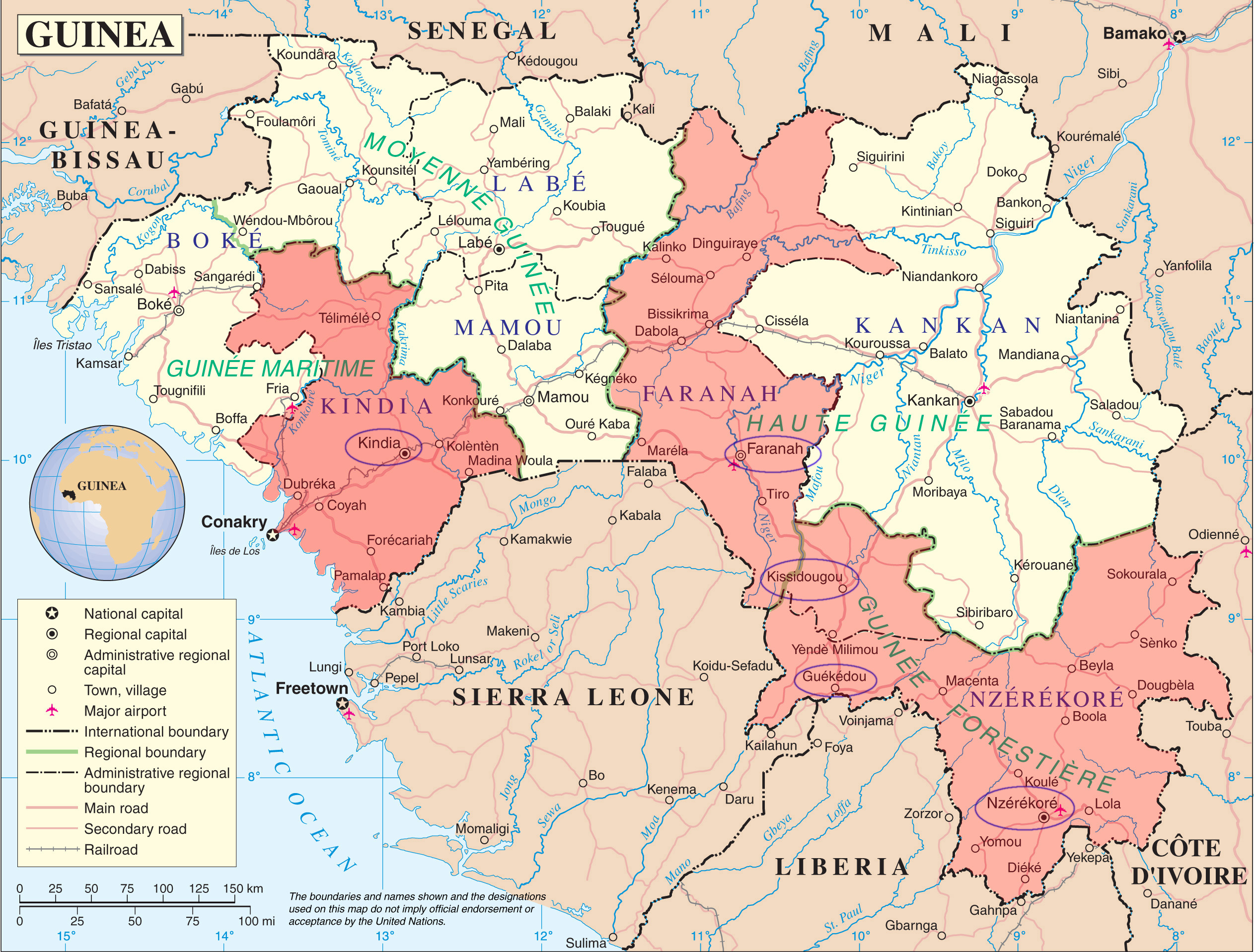
Liberia
Lofa,that Bonglocally andacquired Nimbacases countiescannot areoccur regardedin asthat hyperendemiccountry (areasin ofthe intensefuture, transmission).if Inthe 2014,necessary antransmission outbreakfactors wasare reportedpresent at(for aexample, UNknown Missionvectors inor Kakata,potential Margibi County.reservoirs).
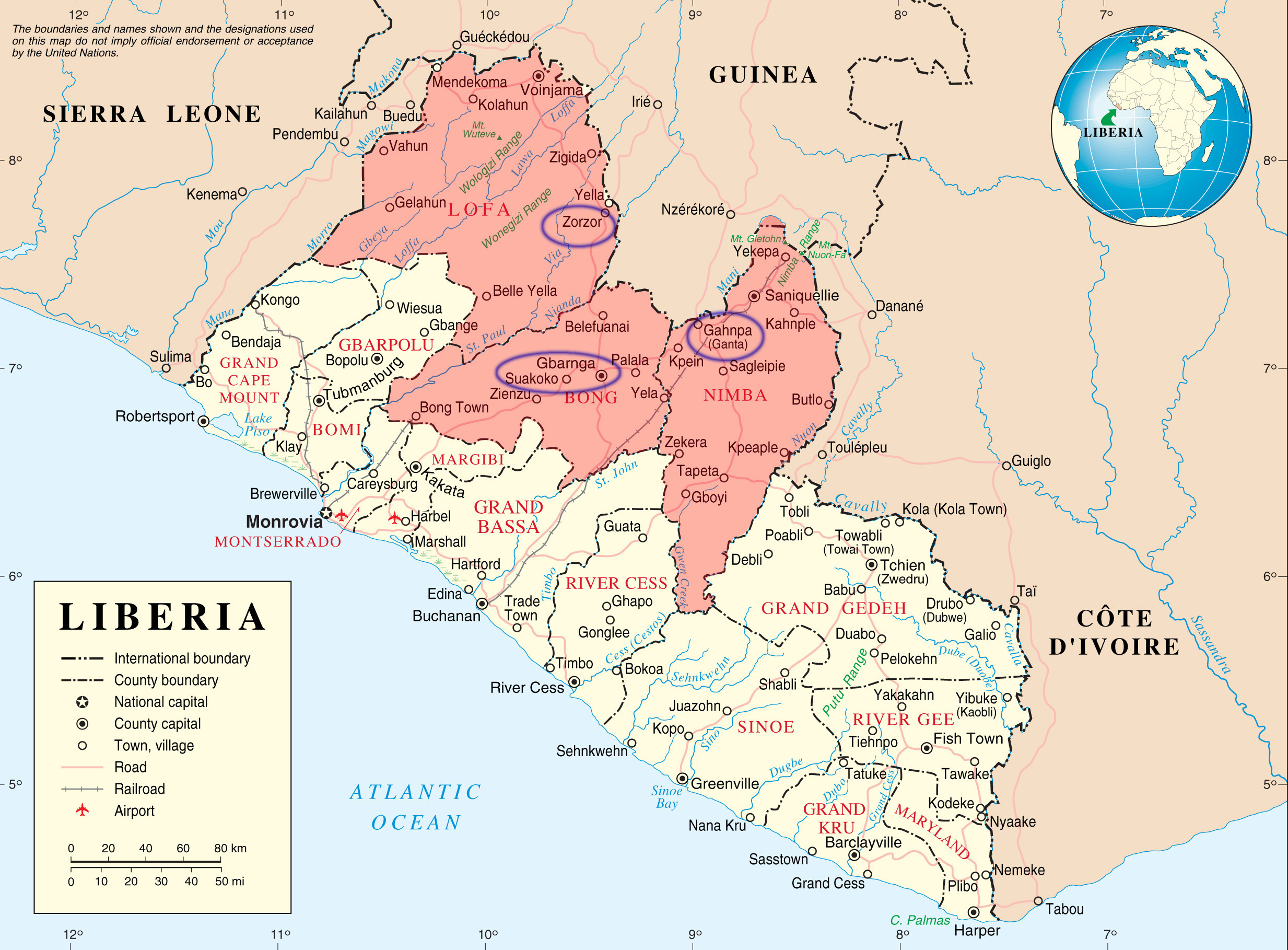
Nigeria
Lassa fever is endemic in NigeriaAfrica. withPlease outbreakssee almost every year in different parts of the country.HCID: Yearlycountry peaksspecific arerisk observedwebpage between December and April.
The Nigeria Centre for Diseasedetails Controlof providestravel-associated regular updates on its Lassa fever surveillance.
Sierracases Leone
Historically, outbreaks were most frequently reported fromoutside Kenema and Kailahun districts.
A change in geographical spread is evident more recently, as shown on these maps.
Africa.
Transmission
LassaTransmission virusof isLassa present in wild multimammate rats (Mastomys species), which shed the virus into theirhumans urineusually andoccurs droppings.through Theseingestion are common in rural areas of tropical Africa and often live in or aroundinhalation homes. Once infected, rodents shed virus throughout their life.
Transmission of Lassainfected virusmaterials. toInfection humanscan normallyalso occursoccur through contamination of broken skin or mucous membranes via direct or indirect contact with infected rodent excreta on floors, home surfaces, in food or water. Transmission is also possible where rodents are caught and consumedprepared asfor food.consumption.
PersonHuman to personhuman transmission occurscan occur through contact with infected bodily fluids, such as blood, saliva, urine, or semen.semen of an infected human. This can occur in healthcare or domestic settings.
Transmission to close contacts usually only occurs while the patient has symptoms. However, a patient can excrete virus in urine for between 3 and 9 weeks after the onset of illness and via semen for up to 3 months.
Symptoms
The incubation period for disease is usually between 7 and 10 days, with a maximum of 21 days. Infection is mild or asymptomatic in 80% of cases, butwhile canoccurs causein severeapproximately illness20% andof symptomatic cases. Infection is fatal in around 1% to 3% of patients.cases, Thealthough incubationthis periodis forhigher diseaseamong ishospitalised usuallypatients between(up 7to and15% 10to days,20% withof asymptomatic maximumhospitalised ofpatients 21died days.in some settings).
The onset of illness is insidious,gradual with:rather than sudden and usually includes:
- fever and shivering
malaisefatigue- headache
- generalised
achingpain - sore throat
Nausea, vomiting, diarrhoea, or cough canmay accompanyalso thesebe symptoms.present.
AnIn importantsevere diagnosticcases, feature is the appearancepatient of patches of white or yellowish exudate and occasionally small vesicles or shallow ulcers on the tonsils and pharynx.
As the illness progresses, the body temperature can risesuffer tofrom 41ºCextreme withtiredness daily fluctuations of 2ºC to 3ºC.
Extreme lethargy and exhaustion that is disproportionate to the level of feverfever. canIn occurthese incases, severesymptoms attacks.in During the second week of illness symptoms include:
oedemarespiratoryofdistress- persistent
thevomiting - generalised
headandneckpain encephalopathyfacial swellingpleuralneurologicaleffusionimpairmentasciteshaemorrhage
Renal and circulatory failure may occur, aggravated by vomiting and diarrhoea.
In the severest cases, bleeding into the skin, mucosae and deeper tissues occurs, usually leading to death.
In non-fatal cases, the fever subsides and the patient’s condition generally improves rapidlyrapidly. although Late tiredness can persist for several weeks. Late complications include sensorineural deafness in around 25% of patients, persisting for life in around a third of those affected.
InfectionThe iscase fatalfatality inrate aroundincreases 15%further ofin hospitalised pregnant patients.
Lassawomen, feverparticularly isin particularlythe severethird intrimester. pregnantThe womenmortality rate in thefoetuses thirdin trimester;infected themothers fetusis diesestimated into aboutbe 95%around of cases.90%.
Symptoms in children are similar to those in adults, but infant infection can result in ‘swollen baby syndrome’ with oedema, abdominal distension, bleeding and often death.
Diagnosis
Clinical diagnosis of Lassa fever iscan difficult.be Itchallenging in endemic settings, as it can be confused with other infections such as severe malaria, typhoid fever and other viral haemorrhagic fevers.fevers (VHF).
In the UK, the UK Health Security Agency (UKHSA) has specialised laboratory facilities where real-time polymerase chain reaction assays for nucleic acid detection can be performed in order to provide a definitive diagnosisdiagnosis. atThese theare held at the Rare and Imported Pathogens Laboratory, (RIPL), UKHSA Porton, Porton.
RT-PCRwhich foralso nucleichosts acidthe detection,Imported virusFever isolationService: ora antibodyclinical detectionadvisory methodsand arespecialist useddiagnostic service for medical professionals managing travellers who have returned to diagnosethe LassaUK with fever.
See See VHF sample sample testing advice.
Treatment
TreatmentAn with the antiviral drug called ribavirin ishas mostbeen effectivereported whento startedbe useful if given early in the coursedisease, ofbut recently the evidence for this has been increasingly challenged and more work is needed to find the best treatment regimen. Alternative antivirals are in clinical illness.trials.
Supportive caretherapy suchis asan essential part of care, and if given early can improve survival rates. This includes maintaining good fluid replacement,and electrolyte balance, as well as managing diarrhoea, vomiting, fever and pain with medications and blood transfusiontransfusions oras otherrequired. appropriateOrgan measuressupport issuch alsoas essential.dialysis and ventilation can improve survival in severely unwell patients.
Guidelines
The UK has specialist guidance on the management (including infection control) of patients with viral haemorrhagic fevers (VHFs), , including Lassa.
It provides advice on how to comprehensively assess, rapidly diagnose and safely manage patients suspected of being infected, within the NHS, to ensure the protection of public health.
Prevention and control
There is currently no licensed vaccine for Lassa fever. People living in endemic areas of West Africa with high populations of the rodent reservoir are most at risk of Lassa fever infection. In endemic areas, rodent control and avoiding contact with rodents and their excreta helps prevent infection. Infection control includes storing food in rat-proof containers.
Avoiding contact with infected humans can help prevent infection. This includes avoiding contact with blood and other bodily fluids of anthose infectedwho patientare preventsinfected, personas towell personas spread.avoiding contact with contaminated items like bedding and medical equipment. Avoiding funeral practices that involve touching the dead body of people suspected of having died from Lassa fever infection also reduces the risk of infection. In healthcare settings, these infection control measures include:
- special barrier nursing procedures
-
VHF isolation
isolation - wearing protective clothing for contact with the patient
Once the patient has fully recovered, they arecan onlyremain infectious via semen and urine. Patients mustare avoidusually sexualadvised to abstain from sexual intercourse for at least 3 months.
PeopleImported livingcases inrarely endemicoccur outside areas of West Africa with(see highFigure populations1). of rodents are most at risk of Lassa fever. Imported cases rarely occur elsewhere in the world. Such cases are almost exclusively in persons who work in endemic areas in high-risk occupations such as medical or other aid workers.
The risk to tourists is considered to be very low.
Cases in the UK
Imported Lassa fever cases are extremely rare in the UK. Since 1980,1971, 11there have been 13 confirmed cases of Lassa fever havereported beenin importedthe withUK. theAll were linked to travel or were travel associated. The last known incident reported in February 2022 whenwhen 3a confirmed casescase, inwith therecent UKtravel to Mali, werewas reported; 2 further cases linked to recentthis travelcare towere Westsubsequently Africa.detected.
Updates to this page
Last updated
-
Epidemiological content reviewed and updated.
-
Updated information on epidemiology and cases in the UK.
-
Updated information.
-
Updated Epidemiology section, specifically Nigeria.
-
Updated epidemiology section and added link to High Consequence Infectious Diseases (HCID).
-
Updated with current epidemiology.
-
Updated with current epidemiology.
-
Updated with 2017 data.
-
Updated with recent outbreaks in Benin and Togo.
-
Benin and Togo added to affected countries.
-
First published.
Update history
2026-08-14 15:30
Updated guidance link.
2025-07-11 16:40
Updated UK case count to 16 to align with current literature.
2025-01-30 15:54
Updated map of Africa.
2024-08-15 09:30
Epidemiological content reviewed and updated.
2023-11-01 09:05
Updated information on epidemiology and cases in the UK.