Public advised to stop using certainsome non-sterile alcohol-free wipes
DueUKHSA toand riskMHRA ofare infection,urging non-sterilethe alcohol-freepublic wipes are not appropriateto foruse the4 treatmentspecified ofnon-sterile injuries,alcohol-free woundswipe orproducts ondue brokento skin,the norrisk forof cleaninginfection ofassociated intravenouswith lines.their use.

Latest
The UK Health Security Agency (UKHSA) and Medicines and Healthcare products Regulatory Agency (MHRA) are reminding the public not to use 4 specified non-sterile alcohol-free wipe products under any circumstances due to an ongoing risk of infection associated with their use.
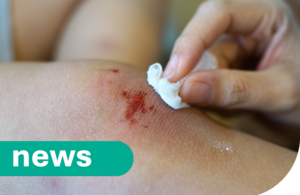
Additionally, UKHSA and MHRA would like to remind people that non-sterile alcohol-free wipes, of any type or brand, should not be used for first aid, applied on broken or damaged skin and should never be used for cleaning intravenous lines.
There have been 59 confirmed cases of Burkholderia stabilis associated with some non-sterile alcohol-free wipe products - identified in an outbreak in the United Kingdom from January 2018 to 3 February 2026. A small number of cases continue to be detected. These have included some serious infections which have required hospital treatment and 1 death has been attributed to Burkholderia stabilis infection.
Burkholderia stabilis is a bacteria found in natural environments, rarely causing infection in healthy individuals. The risk to the general population is very low. However, immunocompromised individuals, those with other risk factors such as cystic fibrosis and patients at home with intravenous lines, are at higher risk of developing infection. No person-to-person transmission has been identified.
During outbreak investigations in 2025, the following products were found to be contaminated with Burkholderia. These four products should not be used under any circumstances:
- ValueAid Alcohol Free Cleansing Wipes
- Microsafe Moist Wipe Alcohol Free
- Steroplast Sterowipe Alcohol Free Cleansing Wipes
- Reliwipe Alcohol Free Cleansing Wipes (testing revealed contamination with a Burkholderia strain not related to the outbreak cases)
The MHRA issued notices to the sellers of these products in July, resulting in their withdrawal from sale. However, some of these products may still remain in some first aid kits and in people’s homes. Members of the public should check for these wipes in their home including in first aid kits. Anyone who still has any of the identified affected products should stop using them immediately and dispose of them in standard household waste.
UKHSA issued a safety alert to health professionals in June 2025 and have reiterated this advice today.
Dr James Elston, Consultant in Epidemiology and Public Health at UKHSA, said:
We are reminding the public not to use, and to dispose of, certain non-sterile alcohol-free wipes which have been linked to an outbreak of Burkholderia stabilis.
The overall risk to the public remains very low, and affected products have been withdrawn from sale. However, we are continuing to see a small number of cases in vulnerable patients, and we are now aware of one associated death.
Non-sterile alcohol-free wipes, of any type or brand, should not be used for the treatment of injuries, wounds, or broken skin; and they should never be used to clean intravenous lines.
UKHSA uncovered the link to this outbreak through testing of wipes used by those affected and worked quickly to notify health professionals through a patient safety alert in June 2025. We have provided a further update to reinforce infection prevention and control guidance.
When treating injuries or cleaning intravenous lines, it is important to follow NHS advice.
Dr Alison Cave, MHRA Chief Safety Officer, said:
Patient safety is the MHRA’s top priority. The MHRA issued notices to sellers of specific products in July, resulting in their withdrawal from sale. If you have any wipes at home or work, double check they are labelled ‘sterile’ before using on broken skin. Follow the advice of your clinical team, GP or community nurse in the care of your intravenous line.
Previous
Monday 4 August
The UK Health Security Agency (UKHSA) and the Medicines and Healthcare products Regulatory Agency (MHRA) are advising the public to stop using certain non-sterile alcohol-free wipes and to dispose of them.
During investigation of an outbreak, certain wipes were found to be contaminated with Burkholderia stabilis.
The following products have been found to be affected:
- ValueAid Alcohol Free Cleansing Wipes
- Microsafe Moist Wipe Alcohol Free
- Steroplast Sterowipe Alcohol Free Cleansing Wipes
In addition, testing also revealed contamination of Reliwipe Alcohol Free Cleansing Wipes, although the contamination was deemed to be with a Burkholderia strain not related to the outbreak cases.
These products which may have been used for ‘skin cleansing’ and cleaning in or around wounds have been withdrawn from sale but may still be found in some first aid kits and in people’s homes. These products are not routinely used in the NHS. If you have these products (listed above), you are advised not to use them and to dispose of them in your household waste as a precautionary measure given the potential for contamination.
This notice relates only to the products listed above. However, the public are reminded that non-sterile alcohol-free wipes should not be used for the treatment of injuries, wounds or on broken skin, nor should they be used for cleaning intravenous lines, as they are not appropriate for these purposes and their safety cannot be guaranteed. You should follow NHS guidance when treating cuts and grazes. Patients who have intravenous lines in place are advised to follow instructions of their medical team in the care of these.
If you have used non-sterile, alcohol-free wipes you do not have to visit a healthcare professional unless you have symptoms of:
- a wound infection, which can include redness, swelling, increased pain, warmth around a wound/break in skin, and pus or other drainage from the wound/break in skin
- infection involving an intravenous line, which can include signs such as redness, swelling, or pain around the insertion site and or fever and chills
UKHSA advice on appropriate use of ‘skin cleansing’ wipes:
-
only use wipes marked as ‘sterile’ on broken skin such as wounds, scratches, or where you can see blood - it is important to use only sterile wipes on broken skin as this reduces the chances of germs getting into the body and causing infections
-
please ensure your first aid kit only contains wipes marked as ‘sterile’, the packaging around wipes marked as ‘sterile’ is not damaged and that products are in date - dispose of any wipes with damaged packaging or past their expiry date
-
if you have an intravenous line and are managing this yourself at home, you should only use wipes on this line if and as instructed by your medical team
-
if you have an intravenous line or if you have cystic fibrosis and are concerned about your wellbeing or have questions about your care, please contact your medical team
Burkholderia stabilis is a bacteria found in natural environments, rarely causing infection in healthy individuals and the risk to the general population is very low. However, immunocompromised individuals, and individuals with other risk factors such as cystic fibrosis, or patients at home with intravenous lines are at higher risk of developing infection.
There have been 51 confirmed cases in an outbreak of Burkholderia stabilis in the United Kingdom between 2018 and 2025, now suspected to be associated with some non-sterile alcohol-free wipe products. No deaths have been linked to this outbreak though there have been some serious infections which have required hospital treatment. No person-to-person transmission has been identified.
UKHSA has been working with the MHRA, the NHS, and other partners to put in place measures to protect the public. MHRA have been working with manufacturers and distributors to cease sale and supply of the affected products. UKHSA has issued a safety alert to health professionals about recent infections potentially linked to contaminated non-sterile wipes and to reinforce existing infection prevention and control guidance.
Dr James Elston, Consultant in Epidemiology and Public Health at UKHSA, said:
While the overall risk to the public remains very low, a number of non-sterile alcohol-free wipe products have been linked to an outbreak of Burkholderia stabilis. It is important these types of wipes are not used for the treatment of injuries, wounds, or broken skin, and that they are not used to clean intravenous lines.
UKHSA uncovered the link to this outbreak through testing of wipes used by patients and worked quickly to notify health professionals through a patient safety alert, reinforcing existing infection prevention and control guidance.
When treating cuts and grazes, it is important to follow NHS advice.
Dr Alison Cave, MHRA Chief Safety Officer, said:
We consider wipes which are intended for a medical purpose to be medicines. These products do not have a medicines authorisation, and we are taking appropriate action to ensure compliance with the requirements of the applicable legislation governed by MHRA.
If you have these wipes at home or in a first aid kit, please check the label and only use wipes marked as ‘sterile’ on broken skin. Healthcare professionals are advised to follow instructions and information provided in the national patient safety alert from UKHSA.
Anyone who has used alcohol-free wipes and has concerns about potential infection is advised to speak with a healthcare professional.
Updates to this page
-
Updated with latest information.
-
First published.
Update history
2026-02-05 14:14
Updated with latest information.
2025-08-04 14:00
First published.