Drivers’ Hours: A Traffic Commissioner’s Perspective on Safety, Compliance, and Responsibility
In commercial road transport, few regulations are as vital to public safety and operational integrity as the rules governing drivers’ hours.

As Traffic Commissioners for Great Britain, our statutory role is to ensure that operators and drivers uphold the highest standards of safety, compliance, and professionalism. Drivers’ hours rules are essential safeguards against fatigue, unfair competition, and risk to life. However, there is no research to support that 4 ½ hours is a safe period to drive. The rules aim to prevent operators competing on the basis of driving for longer but actual driving and rest periods need to be based on an analysis of risk taking account of factors such as the type of driving, time of day and the driver’s health and personal situation.
This blog explores how drivers and operators might approach the drivers’ hours framework, the expectations we place on operators and transport managers, and the consequences of non-compliance. It is written to help operators understand our perspective and to promote a culture of proactive compliance.
Why do we have them?
The drivers’ hours rules exist to:
- Protect road safety by preventing fatigue-related accidents.
- Safeguard driver welfare, ensuring adequate rest and working conditions.
- Ensure fair competition by preventing operators from gaining advantage through unlawful practices.
- Maintain public confidence in the HGV and PCV industries.
Fatigue is a silent killer on our roads. Studies show that tiredness can impair driving ability as severely as alcohol. The rules are designed to mitigate this risk by enforcing structured rest and break periods.
Where do the rules come from?
There are several sets of rules that drivers must follow. The domestic drivers’ hours rules in Great Britain (GB), working time rules, Assimilated rules (previously called EU rules) and The European Agreement Concerning the Work of Crews of Vehicles Engaged in International Road Transport (AETR) rules on drivers’ hours, breaks and rest.
Or
Most driving falls under what are known as the EU Rules – now called the Assimilated Rules. If vehicles travel internationally, then AETR regulations apply - and these are almost identical to the EU rules. If your work is exempt EU, then domestic rules apply. There are separate limits on working time.
Find the basics at Drivers’ hours: HGV driver basics and Drivers’ hours: Bus and coach driver basics.
DVSA has a longer guide to them here.
Where does the Traffic Commissioner fit in?
As Traffic Commissioners, we are responsible for:
- Granting and regulating operator licences
- Assessing transport manager competence
- Conducting public inquiries into non-compliance
- Taking regulatory actions where necessary
We take a proactive approach to regulating the industry, focusing on education, prevention, and proportionate response. Our decisions are guided by statutory documents and case law, and by our commitment to public safety.
What common compliance failures do we see?
Despite guidance, we frequently encounter breaches of drivers’ hours rules. These include:
Failure to Take Breaks
Drivers miscalculate or split breaks incorrectly. For example, taking 20 + 25 minutes instead of the required 15 + 30 minutes.
Exceeding Driving Limits
Poor route planning or pressure to meet delivery deadlines can lead to breaches of daily or fortnightly limits.
Tachograph Misuse
Not downloading data frequently enough
Removing cards mid-shift
Using vehicles without inserting the driver card
Recordkeeping Failures
Missing manual entries – especially for occasional drivers
Lost or damaged printouts
Failure to reconcile discrepancies
Lack of Oversight
Transport managers failing to monitor infringements or take corrective action.
When drivers’ hours breaches are brought up in a public inquiry, it often seems like operators and drivers view these rules as something to try to only pay lip service to in a hope to ‘get ahead’, whereas, fundamentally, they are for protecting everyone.
What do we expect from operators?
We expect a high level of understanding of the rules.
Robust Systems

Operators must have written procedures for managing drivers’ hours, including:
- Break and rest scheduling
- Manual record keeping
- Tachograph use
- Data downloads
- Infringement handling
Regular Monitoring
Operators should review tachograph data regularly, carrying out risk-assessments then adopting policies that suit their business and investigating any anomalies. Reports must be signed and retained.
Training and Refresher Courses
Drivers must be trained on the rules and receive regular updates. Transport managers should also be competent in interpreting data and managing compliance.
Disciplinary Procedures
Operators must have a clear process for dealing with repeated breaches, including verbal warnings, retraining, and dismissal if necessary.
What happens when it goes wrong, and infringements are noticed?
Regulatory Actions
When breaches occur, we have a range of options:
- Formal warnings
- Undertakings and conditions
- Public inquiries
- Licence revocation or suspension
- Disqualification of transport managers or directors
- Suspension and revocation of the drivers HGV or PCV entitlement
We do not take action lightly. Our decisions are based on evidence, proportionality, and the likelihood of future compliance.
Our advice
For drivers –
Based on what we see, we would suggest trying the following –
Know which rules apply to your journey - this will differ for HGV and PSV drivers.
For Goods –
You can find the guide at -
Drivers’ hours and tachographs: goods vehicles - Guidance - GOV.UK
For PSV –
- Check your route type before each shift. If it’s under 50km and a regular service then domestic rules apply; otherwise, EU/assimilated or AETR rules are relevant.
- Use the GOV.UK drivers’ hours guide to confirm which rules apply.
- Keep a quick-reference chart (insert link) in your cab or depot to help identify the correct rule set.
- If you mix EU and domestic, for example a school run then a private hire in the evening, be really really careful, It is very easy to get it wrong.
A simplified guide for both can be found here. You can use this as a start point.
Use Your Tachograph Properly
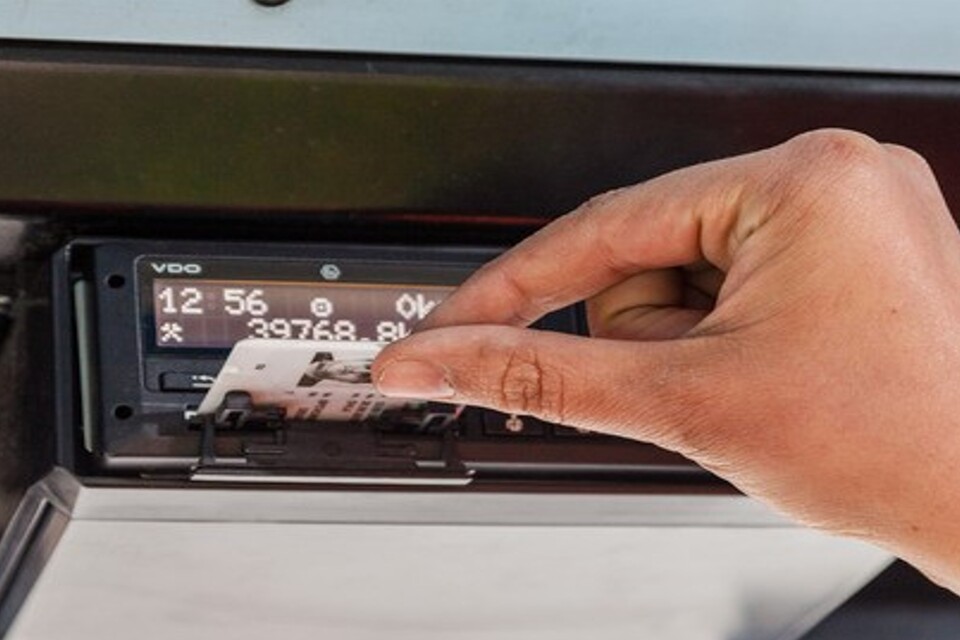
- Insert your driver card before starting your shift and check it’s recording correctly.
- Make manual entries for any off-vehicle rest, ferry travel, or other work. Specific guidelines on manual record keeping can be found here - Drivers’ hours: recording of other work - GOV.UK
One case saw drivers repeatedly fail to record the mandatory breaks, instead continuing journeys without rest. This led to fatigue-related risks and was flagged during a DVSA roadside check.
Another operator got into a great deal of trouble over tachograph records here.
Use Your Tachograph Effectively
- Check regularly: At the start and end of each shift, review your tachograph entries to ensure they’re accurate and complete.
- Log delays or exceptions: If you’re delayed due to traffic, loading issues, or breakdowns, use the manual input function to record the reason. This helps protect you from potential infringements.
- Use apps: Try apps to track your driving time, breaks, and rest periods. These tools can alert you before you reach your limits.
One operator instructed drivers to remove tachograph cards mid-shift to avoid recording excess hours. This deliberate falsification resulted in licence revocation and disqualification of the transport manager.
Remember your tachograph is a great tool for you as a driver if you can keep it accurate!
Plan Your Route with Breaks in Mind
- Use route planning tools: Apps can help you find rest stops with toilets, food, and secure parking.
- Build in buffer time: When planning your journey, allow extra time for traffic, loading delays, and unexpected events so you don’t have to skip or shorten breaks.
- Build breaks into your route plan - don’t wait until the last minute.
- Coordinate with your scheduler to ensure your timetable allows for legal breaks.
Understand Split Breaks and Rest Periods
- Split breaks: If you can’t take a full 45-minute break, take a 15-minute break, followed by a 30-minute break later in your shift. Make sure the second break is taken before you reach 4.5 hours of driving.
- Split daily rest: If needed, take a 3-hour rest, then a 9-hour rest later. Both must be completed within a 24-hour period. Use your tachograph to record both periods clearly.
Prioritise Your Wellbeing
- Stay hydrated: Keep a water bottle in your cab and drink regularly, especially on long drives.
- Eat well: Pack healthy snacks and meals to avoid relying on fast food at service stations.
- Take mental breaks: Use rest periods to stretch, walk, or listen to music. If you feel fatigued, speak to your manager - your safety comes first.
There is at least one operator that has installed fridges in lorries- see what your company can do for you.
Keep Records Clean
- Store your data: Keep your tachograph printouts or digital records for at least 28 days (or 56 days for international journeys). Use folders or apps to stay organised.
- Ask for audits: Encourage your employer to review your records regularly and provide feedback. This helps catch errors early and shows you’re committed to compliance.
Drivers who are engaged in the process rather than trying to ignore it have fewer problems and are an asset to the business.
This operator was found not downloading tachograph data within the required 28-day period, leaving compliance checks incomplete. This systemic failure led to formal warnings and undertakings at inquiry.
Watch Out for Rule Changes
- Stay informed via DVSA updates (insert link), union newsletters, or transport forums.
- Attend refresher training when rules change - especially around assimilated EU regulations.
- Keep a copy of the latest guidance in your cab or depot for reference.
For Operators, transport managers and fleet managers –
Provide regular training
- Schedule quarterly refresher sessions covering drivers’ hours, tachograph use, and Working Time Directive rules.
- Include hands-on tachograph workshops where drivers practice inserting cards, making manual entries, and interpreting data.
- Use actual case studies from your own fleet to highlight real-world mistakes and how they were resolved.
- Provide training materials in multiple formats - videos, handouts, and online modules which will suit different learning styles and include interactive elements like quizzes or scenario-based discussions to reinforce learning.
Promote a culture that values safety
- Create an open-door policy where drivers can report fatigue or scheduling concerns without fear of penalty.
- Include wellbeing check-ins during shift briefings or one-to-one meetings.
- Avoid scheduling practices that encourage rule-bending, such as tight turnaround times or excessive overtime.
- Celebrate compliance milestones and recognise drivers who consistently prioritise safety and legal adherence.
Schedule smartly
- Use route planning tools that factor in traffic and rest stop availability and legal break requirements.
- Avoid back-to-back long-haul assignments - rotate routes to give drivers variety and recovery time.
- Build buffer time into schedules to allow for unexpected delays without compromising compliance.
Use fleet management software
- Choose platforms that offer real-time tracking and compliance alerts. There are systems specific to both goods and PSV industries which can integrate with your tachographs.
- Set up automated notifications for approaching driving limits, missed breaks, or rest period violations.
- Use dashboards to review trends and identify drivers who may need additional support or training.
- Ensure drivers have access to mobile apps that show their remaining driving time and break requirements in real time.
Audit tachograph data
- Conduct weekly or monthly audits of tachograph data to catch issues early.
- Use audit findings to create driver performance reports, highlighting both strengths and areas for improvement.
- Implement a feedback loop where drivers can discuss audit results and receive coaching or support.
- Keep a compliance log to track recurring issues and document corrective actions taken.
- Use audit findings to inform training content and adjust operational procedures where needed.
An alarming number of operators don’t look at the data they have recorded. If you’ve got it, use it!

Final Thoughts
Drivers’ hours regulations aren’t just a legal requirement – they are a shared responsibility between drivers and fleet managers. By combining knowledge, planning, and communication, we can create safer roads and healthier working conditions for everyone in the transport industry.