Water voles to benefit from £300,000 Wessex Water enforcement
The Environment Agency has secured £300,000 from Wessex Water for the Yeovil Rivers Community Trust, to be used to improve habitat in the Upper Yeo catchment.
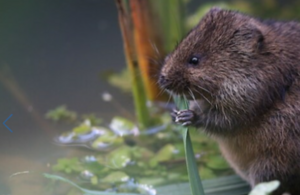
Water voles are Britain’s fastest disappearing mammal
Water voles and other wildlife in Somerset will benefit from £300,000 thanks to enforcement action by the Environment Agency after a pollution incident.
The incident occurred when a backed-up Wessex Water sewer spilled into a tributary of the River Yeo in September 2022, killing dozens of fish.
The funds will be used to support habitat improvement projects in the area, including for endangered water voles.
The agreement is part of a record £8.5 million paid by water companies into environmental restoration projects across the country as part of a strengthened crackdown on pollution and poor performance across the sector.
This compares to £5.8 million the year before, a 47% increase, and just under £2 million in the 2023/24 financial year.
These payments follow a major increase in enforcement activity, including a record 10,000 inspections of water company sites and a significant rise in criminal investigations. More staff, better data, and increased powers mean the regulator can act faster when breaches occur and enable more targeted regulatory action.
The decline of water voles
Water voles are Britain’s fastest disappearing mammal and are at increased risk due to habitat loss, pollution and climate change.
There used to be an estimated 600-700 voles in the area around Yeovil, but now there is approximately 300-400.
Habitat changes caused by the intensification of agriculture, urbanisation, and climate change-driven flooding have led to a decline in their numbers across Somerset.
Poor water quality with frequent pollution events is another factor which degrades habitat suitable for voles.
Yeovil Rivers Community Trust will use the money to create reedbeds, wetlands and ponds at Yeovil Country Park and long Preston Brook.
This will help the voles by providing safe space for them to feed, breed and move about.
The project also seeks to identify other water vole populations so that a comprehensive record can be developed.
£300,000 enforcement agreement
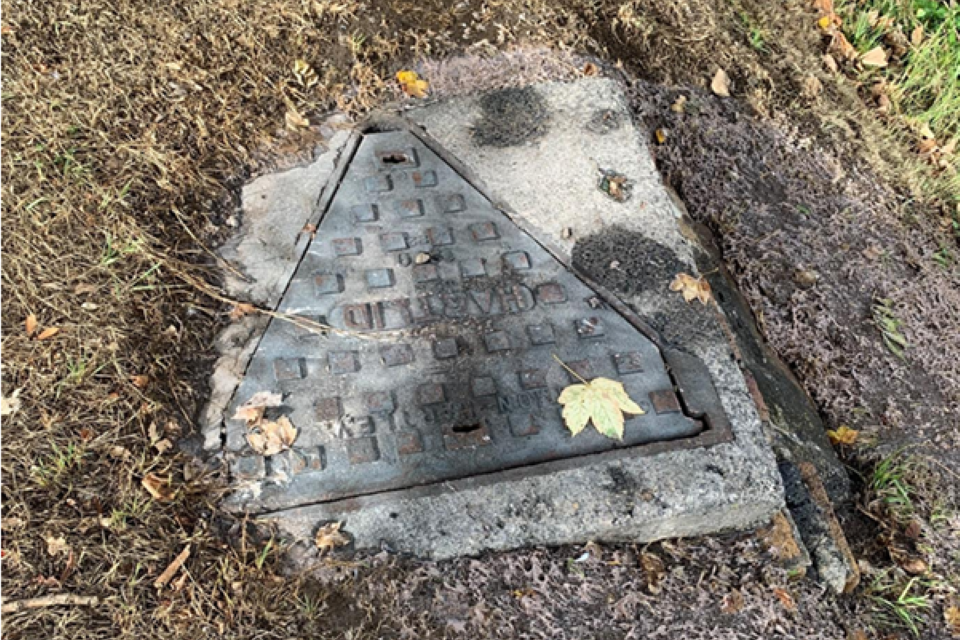
A surging manhole caused by a backed-up sewer led to the pollution
In agreeing to the sanction, which is known as an enforcement undertaking and can be used as an alternative to a prosecution, Wessex Water have put in place robust measures to reduce the likelihood of similar pollution incident happening again.
This included lining the foul sewer network in the area and the installation of monitoring equipment.
Enforcement undertakings allow funds to go straight to investment where it is needed, rather than being spent on court costs.
The company will also cover the Environment Agency’s investigation and enforcement costs of £6,668.
Dozens of fish killed

The pollution killed dozens of fish including bullhead and three-spined sticklebacks
During the incident in September 2022, a surging manhole caused by a backed-up sewer led to sewage flowing into a tributary North of Milborne Port which joins the River Yeo.
The pollution killed dozens of fish including bullhead and three-spined sticklebacks.
An Environment Agency investigation identified high levels of ammonia and chloride.
Wessex Water made the offer following the investigation into the incident.
Environment Agency Environmental Crime Officer, Steven Federico, said:
Water voles are incredible creatures who play an important part in creating a healthy wetland.
We are pleased that the investment will go towards supporting these endangered creatures and improving water habitats in turn.
Lorne Thomson, Chair of Yeovil Rivers Community Trust, said:
This money will be used to support the Yeovil Rivers Community Trust’s Water Vole Habitat Enhancement Program, which works to improve rivers, ponds and land habitats.
This includes projects such as the creation of bunds and reedbeds which increase the quality of habitats for a range of flora and fauna including water voles.
Background
What is an enforcement undertaking (EU)?
An EU is available to the Environment Agency as an alternative sanction to prosecution or monetary penalty for dealing with certain environmental offences.
It is a legally-binding voluntary agreement proposed by a business (or an individual) when the EA has reasonable grounds to suspect that an environmental offence has occurred.
EUs for environmental offences were introduced under the Environmental Civil Sanctions (England) Order 2010 and the Environmental Civil Sanctions (Miscellaneous Amendments) (England) Regulations 2010.