Fisheries and Seafood Scheme support expanded to allow for grant contributions towards new engines and gearboxes on vessels
Fishermen across England will benefit from an expanded Fisheries and Seafood Scheme (FaSS), with grant support now available for engine and gearbox upgrades.
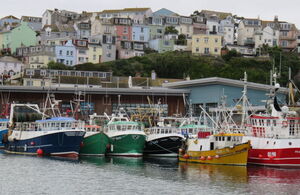
The funding will help vessels modernise and become more efficient, which will help reduce engine emissions. Eligible projects will be able to apply for support through the scheme’s standard application process. The scheme, administered by the Marine Management Organisation (MMO) on behalf of the Department for Environment, Food & Rural Affairs, is funded from the £132 million committed to the Fishing and Coastal Growth Fund over the next five years.
From today, fishermen can apply for grant contributions through the scheme towards new engines and gearboxes for their vessels. The rates of support available are:
-
65% contribution for the Small Scale Coastal Fleet (SSCF) installing new petrol or diesel engines
-
50% contribution for all other vessels installing new petrol or diesel engines
-
90% contribution for electric or hybrid engines, regardless of vessel or business size
These rates align with previous support provided through the UK Seafood Fund for engines, and are more generous for the Small Scale Coastal Fleet, reflecting the government’s continued commitment to supporting smaller operators. By encouraging the uptake of lower-carbon technologies where they are appropriate and viable for fishing businesses, these changes will help improve efficiency and reduce emissions from the fishing sector, supporting long-term growth and sustainability.
Since FaSS reopened on 13 April 2026, it has received a high level of interest from industry, with over £5 million of investment already approved for projects to date. The MMO continues to offer support for first-time applicants to help them through the application process.
The scheme is open to anyone involved in fishing, aquaculture, seafood processing, marine conservation or related environmental work. It can support a wide range of activities, including:
-
Improving the resilience and sustainability of shore-based facilities
-
Cooperative activities, building capability and advisory services
-
Fishing related activities including energy improvements on a vessel
-
Health and safety improvements
-
Achieving good environmental status through the conservation and restoration of the marine environment
-
Diversification and new forms of income
Applicants are asked to review the relevant guidance note for the type of project they are seeking funding for, before submitting an application.
This year’s priorities for funding rounds are labour and workforce development, community partnerships, and infrastructure. Applications with a grant value of £250,000 or more for measures covered by funding rounds must be considered by the funding round panel.
An additional 2026 panel deadline for projects over £250,000 was added earlier this year. The deadline is Friday 13 November 2026, giving high-value project applicants more opportunity to submit. All projects below £250,000 will be assessed on a first come first served basis. Further panel dates for 2027 will be announced in due course.
Paul Errington, Acting Director of Finance at MMO, said:
This is a great opportunity for operators of all sizes to invest in their vessels, and I’d encourage anyone considering an engine upgrade to look at the expanded scheme and make the most of the support that is available. Whether you’re looking at a new diesel engine or making the switch to electric or hybrid, we can make a meaningful contribution to help you with that transition.
For more information and to apply, please visit: www.gov.uk/guidance/fisheries-and-seafood-scheme
Please contact the grants team if you require support completing an application:
-
Telephone: 0208 026 5539
The Fishing Coastal Growth Fund in England is intended to operate as a multi-year funding scheme, with a total value of £304 million over 12 years. Around £132 million is expected to be allocated up to the financial year 2030 to 2031.